
How To Use R6 Marketplace? is a common question among Rainbow Six Siege players who want full control over cosmetic trading. The marketplace introduces a structured system where buying and selling are driven by player decisions rather than chance. A clear understanding helps players save credits, avoid mistakes, and build a valuable inventory confidently.
What the R6 Marketplace Really Is
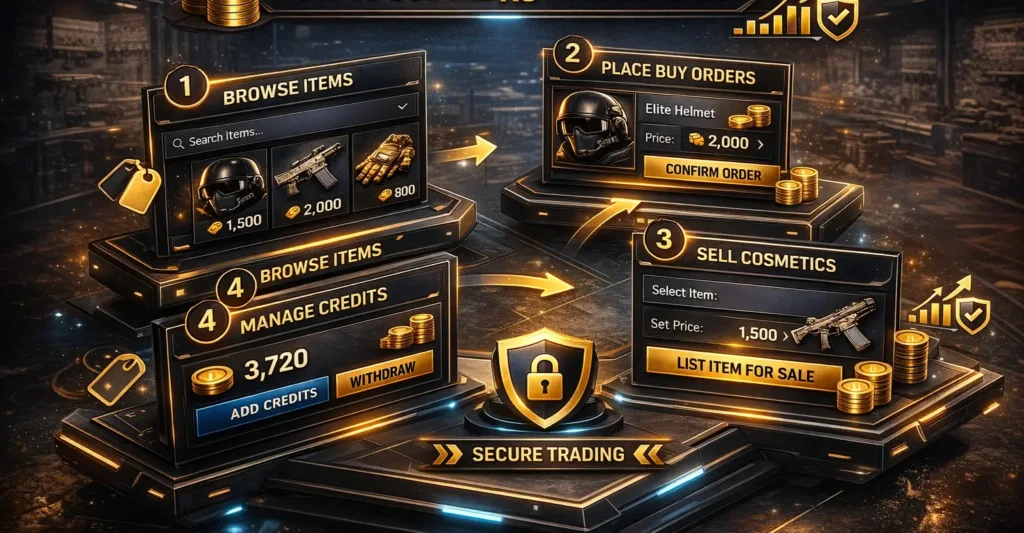
The R6 Marketplace is an official Ubisoft-controlled trading platform that allows players to buy and sell cosmetic items using in-game credits. It replaces randomness with choice and transparency. This change gives players control over what they own and when they acquire it.
Unlike traditional loot-based systems, the marketplace operates on player-driven value. Prices shift based on demand availability and timing. Players who understand these mechanics gain a strong advantage.
“Control creates confidence and confidence creates better decisions.”
Why Ubisoft Introduced the Marketplace
Ubisoft designed the marketplace to improve player satisfaction and engagement. Many players felt frustrated relying only on chance based rewards. The marketplace offers an alternative rooted in decision-making.
It also stabilizes the in-game economy. Controlled trading reduces inflation and abuse. This balance benefits both casual and dedicated players.
Player Benefits Beyond Cosmetics
The marketplace is not only about skins and charms. It teaches economic awareness. Players begin to understand the value of patience and opportunity cost.
This mindset improves overall gameplay discipline. Credits become strategic assets instead of impulse currency. Over time, players make smarter choices across the game.
Eligibility Requirements Explained Clearly
Before using the marketplace, players must meet certain eligibility conditions. These requirements protect the trading environment and ensure fair participation. They are not barriers but safeguards.
Most requirements focus on account authenticity and activity. Ubisoft uses them to prevent fraud and manipulation. Meeting them early avoids delays.
Marketplace Eligibility Table
| Account Verification | Confirms ownership | Prevents fraud |
| Active Gameplay | Confirms engagement | Stops inactive abuse |
| Platform Compliance | Rule adherence | Maintains fairness |
Accessing the Marketplace Step by Step
The marketplace is accessed through the official Rainbow Six Siege ecosystem. Players log in using their Ubisoft account. Once verified, the marketplace dashboard becomes available.
The dashboard shows item listings, account balance, and transaction history. The interface is clean and functional. Familiarity improves speed and accuracy.
How To Use R6 Marketplace? Interface Basics
Learning How To Use R6 Marketplace? starts with understanding the interface layout. Buying, selling, and account sections are clearly separated. Each section serves a specific purpose.
Filters allow quick refinement of searches. Sorting tools reveal pricing trends. These features save time and reduce mistakes.
Item Categories and Their Role
Items in the marketplace are organized into logical categories. This structure helps players navigate large inventories efficiently. Each category reflects demand behavior.
Understanding category demand helps with pricing decisions. Some items sell quickly while others require patience. Awareness improves outcomes.
Item Category Overview Table
| Weapon Skins | Visual upgrades | Consistently high |
| Operator Uniforms | Character style | Medium |
| Charms | Decorative | Event driven |
Understanding How Prices Are Formed
Prices in the marketplace are not fixed. They are shaped by player behavior. Scarcity, popularity, and timing influence value.
Items tied to popular operators often command higher prices. Limited availability increases demand. Observing these factors prevents overpayment.
“Price reflects emotion as much as logic.”
How To Use R6 Marketplace? Buying the Right Way
Understanding How To Use R6 Marketplace as a buyer requires patience. Rushing into purchases leads to wasted credits. Smart buyers observe before acting.
Comparing listings reveals fair value. Waiting often results in better deals. Discipline protects long-term progress.
Buy Orders and Strategic Timing
Buy orders allow players to set a desired purchase price. The system completes the transaction automatically when conditions match. This feature rewards patience.
Timing buy orders during high activity periods improves success. Events and updates increase liquidity. Strategy improves efficiency.
Common Buying Mistakes Players Make
Many players ignore price history. This leads to overpaying. Awareness reduces this risk.
Another mistake is emotional buying. Popular items create urgency. Patience consistently delivers better value.
How To Use R6 Marketplace? Selling With Intelligence
Learning How To Use R6 Marketplace? from a seller perspective requires understanding buyer behavior. Overpricing reduces visibility. Underpricing wastes value.
Effective sellers study similar listings. Competitive pricing improves selection chances. Adjustments refine results.
“Selling well is about positioning, not speed.”
Creating High Quality Sell Listings
Sell listings compete directly with others. Accuracy and pricing determine success. Buyers choose quickly.
Event relevance increases interest. Items linked to updates sell faster. Timing matters greatly.
Managing Active Listings Properly
Active listings require monitoring. Market conditions change. Ignoring listings leads to stagnation.
Small price changes renew interest. Consistent management improves results. Attention creates advantage.
How To Use R6 Marketplace? Security Fundamentals
Knowing How To Use R6 Marketplace? includes protecting your account. The platform is secure, but user behavior matters. Negligence causes losses.
Always use official access points. Avoid third-party tools. Strong passwords are essential.
Credits Flow and Fee Awareness
Marketplace transactions include service fees. These fees support system stability. Sellers must account for them.
Credit Flow Table
| Buy Item | Decrease | Included |
| Sell Item | Increase | Deducted |
| List Item | None | No |
Tracking credits prevents overspending. Awareness supports financial discipline.
Data Driven Trading Decisions
Successful traders rely on observation. Transaction volume reveals demand cycles. Data replaces guessing.
Keeping simple records improves accuracy. Experience compounds. Learning accelerates naturally.
“Data transforms experience into advantage.”
How To Use R6 Marketplace? Advanced Concepts Preview
Mastering How To Use R6 Marketplace? involves anticipating trends. Preparation beats reaction. This separates beginners from experts.
Event cycles, scarcity timing, and demand shifts create opportunity. Patience becomes power.
Advanced Market Timing and Trend Recognition
Once a player understands basic buying and selling, the next level is recognizing timing patterns. The marketplace does not behave randomly. Activity rises and falls based on updates, seasons, and player behavior.
New game updates often trigger short-term demand spikes. Players rush to customize operators linked to recent changes. Recognizing these moments allows traders to act early instead of reacting late.
“Those who move first benefit the most.”
Understanding Supply Scarcity in Depth
Scarcity is one of the strongest value drivers in the marketplace. Items that are no longer available through packs naturally become more valuable over time. Limited availability creates urgency among buyers.
However, not all rare items appreciate equally. Demand must exist alongside scarcity. Understanding this balance prevents holding items that never gain value.
Long-Term Holding Versus Short-Term Trading
Some players prefer quick trades, while others focus on long-term holding. Both approaches are valid when applied correctly. The key difference lies in patience and risk tolerance.
Short-term trading benefits from event cycles and hype. Long-term holding relies on gradual appreciation. Choosing the right strategy depends on personal goals and credit availability.
Inventory Management as a System
Managing inventory is not about quantity but balance. Holding too many low-demand items ties up credits unnecessarily. Regular evaluation keeps assets productive.
A healthy inventory includes a mix of stable items and potential growth items. This balance reduces risk while maintaining opportunity. Professional traders review inventories consistently.
Inventory Balance Table
| High Demand Items | Stability | Low |
| Event Related Items | Short term gain | Medium |
| Rare Legacy Items | Long term value | Long-term value |
Psychological Traps to Avoid
Many marketplace losses occur due to emotional decisions. Fear of missing out pushes players to overpay. Panic selling causes unnecessary losses.
Awareness of these psychological traps improves discipline. Stepping back before confirming transactions prevents regret. Calm decisions outperform emotional ones.
“Emotion is the enemy of consistency.”
Building a Personal Pricing Framework
Professional traders do not rely solely on current listings. They develop internal benchmarks based on past observations. This framework guides decisions under pressure.
Having a personal price range for items prevents impulsive behavior. Over time, this system becomes instinctive. Experience strengthens confidence.
When Not to Trade
Sometimes the best decision is inactivity. Low liquidity periods increase risk. Forced trades often lead to poor outcomes.
Recognizing unfavorable conditions is a skill. Waiting preserves credits for better opportunities. Patience is an active strategy.
Marketplace Liquidity Explained
Liquidity refers to how easily items are bought and sold. High liquidity markets move quickly. Low liquidity markets trap listings.
Popular items usually maintain high liquidity. Niche items may require extended holding periods. Understanding liquidity prevents frustration.
Event Cycles and Seasonal Behavior
Marketplace behavior changes with seasons. Major events create excitement and increased activity. Post-event periods often see price corrections.
Experienced traders plan around these cycles. Buying during low-interest phases and selling during peaks improves results. Timing multiplies effectiveness.
Risk Management Principles
Risk management protects long-term progress. Never invest all credits into one item. Diversification reduces exposure.
Setting maximum loss thresholds prevents emotional reactions. Discipline keeps trading sustainable. Risk awareness separates professionals from gamblers.
Tracking Performance Over Time
Performance tracking provides clarity. Reviewing past decisions reveals patterns. Both successes and mistakes offer lessons.
Simple tracking methods are effective. Notes or mental benchmarks suffice. Reflection improves future outcomes.
Ethical Trading and Reputation
Marketplace health depends on responsible behavior. Fair pricing maintains trust. Ethical traders build strong reputations.
Manipulative practices damage the ecosystem. Long-term success comes from consistency and integrity. Respect benefits everyone.
“Reputation is built slowly and lost instantly.”
Comparing Marketplace Skill Levels
Not all players approach the marketplace equally. Beginners focus on understanding basics. Intermediate users refine timing and pricing.
Advanced traders anticipate trends and manage risk strategically. Growth follows learning. Each level builds on the previous one.
Practical Daily Marketplace Routine
Consistency improves results. A simple routine keeps traders informed without overthinking. Short regular checks outperform occasional deep dives.
A practical routine includes scanning prices, reviewing listings, and monitoring credits. This habit maintains awareness. Discipline compounds over time.
Adapting to Marketplace Changes
The marketplace evolves. New rules, items, or systems may be introduced. Adaptability keeps traders relevant.
Staying observant allows quick adjustment. Resistance leads to losses. Flexibility ensures longevity.
Common Myths Revisited
Some believe profit requires constant trading. In reality, selective trading performs better. Quality matters more than quantity.
Others assume only rare items matter. High-demand common items often deliver steady returns. Balance is key.
Final Mastery Mindset
Marketplace mastery is a process. There is no shortcut. Learning comes from observation, patience, and reflection.
Those who treat trading as a skill improve steadily. Confidence grows naturally. Mastery becomes inevitable.
“Mastery is earned through repetition.”
Frequently Asked Questions
1. What is the main purpose of the R6 Marketplace
The R6 Marketplace allows players to buy and sell cosmetic items using in-game credits in a controlled and secure environment. Its main purpose is to replace randomness with choice and transparency so players can acquire items strategically.
2. Is the R6 Marketplace safe to use
Yes, the marketplace is officially managed by Ubisoft and includes multiple security layers. As long as players use only official access points and protect their accounts, the system is considered safe and reliable.
3. Can beginners use the R6 Marketplace easily
Beginners can use the marketplace without difficulty once they understand the basic layout and pricing logic. The interface is designed to be simple, and learning improves quickly with minimal practice.
4. How are item prices decided in the marketplace
Item prices are determined by player-driven supply and demand. Popular items, limited availability, and event relevance directly influence pricing behavior.
5. Do I lose credits through marketplace fees
Yes, small service fees may apply to transactions, especially when selling items. These fees support system maintenance and should be considered when setting prices.
6. Is buying always better than opening packs
Buying from the marketplace offers more control and reduces wasted credits compared to random packs. However, packs may still be useful for players who enjoy chance-based rewards.
7. How often should I check the marketplace
Checking the marketplace once or twice daily is sufficient for most players. Regular but not obsessive monitoring helps track trends without causing impulsive decisions.
8. Can I make long-term progress using the marketplace
Yes, consistent and disciplined use of the marketplace supports long-term progress. Players who focus on research, patience, and risk management often build stronger inventories over time.
Conclusion
The R6 Marketplace rewards patience, knowledge, and discipline. By understanding timing, pricing behavior, and risk management, players gain full control over their trading outcomes. Apply these principles consistently to build value, protect credits, and trade with confidence.