
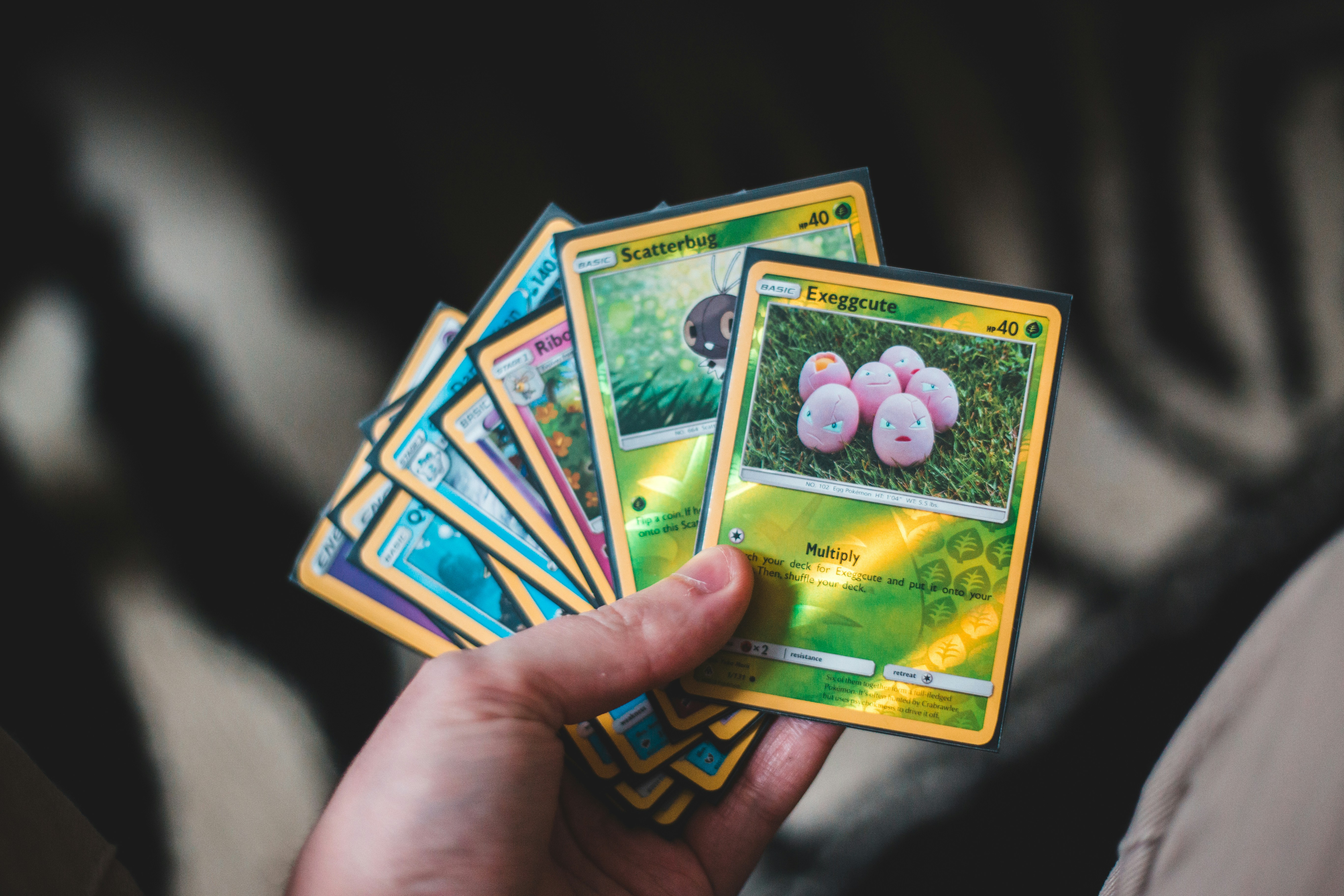
A card with the same Pokémon can sell for lunch money or the price of a decent weekend away. The difference is usually hiding in tiny details nobody notices at first glance. Before you trade, buy or list anything, make sure you are comparing the card itself, not the character on the front.
Two cards can carry the same Pokémon and still sit miles apart on price. One is a common pull from a newer set; another has an older printing with a scarce holo treatment that changes the number. The problem starts when you compare the character instead of the card. That is the same mistake as pricing every black-ice weapon skin as though it has the same market value. Card collecting gets expensive when guesswork takes over, after an online search turns up five figures beside a photo that looks close. Before buying or listing anything, pin down the exact version.
Compare the Same Card Before You Compare Prices
Finding a price starts with the exact card, not the Pokémon printed in the middle. The set symbol, card number and foil treatment can send two copies of the same character into completely different brackets. A newer regular card and an older holo may share the artwork, yet collectors are paying for different items. That is where the usual quick search goes wrong.
CardTrack gives collectors a direct place to compare Pokémon card prices across its catalogue of 20,584 cards, covering 181 sets with raw and graded figures refreshed daily. Search a name or narrow the result by set, then compare the right printing before a high number gets your hopes up. Its card scanner also lets you snap a card rather than spending ten minutes squinting at a tiny symbol.
The useful bit is the side-by-side view. CardTrack separates ungraded values from major graded-card results, so a perfect slab does not become the price for a played copy from your old binder. Its price filters split cards into clear brackets, from under $10 through $1,000+, which gives you a sensible place to start before you open a trade chat with someone yourself there.
Raw Cards and Graded Cards Live in Different Price Brackets
Raw cards and graded cards sit in different markets, even when the card itself is the same. A raw card has surface wear attached to it, because the buyer has to judge the copy in front of them. A graded card has been examined and placed inside a slab, with the condition written on the label. Those are not interchangeable prices, and the difference can be substantial once condition enters the picture.
Pokémon cards have become a major part of the grading business. PSA graded 1.58 million Pokémon cards in 2024, ahead of the 1.41 million sports cards it graded that year, with collectors chasing top-condition copies. That gap explains why a PSA 10 can command a figure that makes a raw copy look almost unrelated.
CardTrack puts that distinction in front of you. Grade filters cover PSA 10, PSA 9, BGS 10, CGC 10 and SGC 10, so you can compare a raw card against the specific slabbed versions collectors are actually buying. Its grading ROI tools also let you test whether the gap between raw and graded value is big enough to cover the cost and risk of submitting your copy.
A Fair Trade Starts With Matching the Details
Rainbow Six Siege players already know the basic rule. A skin’s name does not settle the deal; rarity, demand and the version in front of you decide whether the price holds up. Pokémon cards work the same way, although physical condition adds another layer. A modern Charizard is not interchangeable with an older print, and a top-graded copy sits in a different bracket from the raw card on your desk.
The markets also move for different reasons. Siege item prices can jump when an item becomes harder to get or players decide a skin has become desirable. Pokémon cards can react to a new set, a character returning to the spotlight or a run of high-grade sales. In both cases, the safest trade starts with comparing the exact item rather than trusting a familiar name.
CardTrack’s card-comparison tool puts two Pokémon cards beside each other, while its trade calculator gives you a cleaner view before a swap becomes awkward. You can check raw and graded prices in the same place, then judge whether the offer matches the card you actually hold. A few minutes spent checking the details saves a lot of buyer’s remorse.
Anime Collecting Has Always Had a Physical Side
Anime and manga fandom has always had a physical side. A character you followed for years can turn into a shelf figure or a card that stays in a binder long after the original series ends. One Piece has built that kind of attachment for decades, with characters giving fans a reason to collect objects that keep a piece of the story close.
Pokémon works the same way, except the card in your hand also carries a moving market value. That is where CardTrack earns its place beyond a one-off price check. Its collection tracker lets you record holdings and see what sits inside the binder, while price alerts can flag a card that deserves another look after a run of sales.
Collectors can also check market movers and most-traded cards through CardTrack’s market pages, then use price alerts for cards again. Those tools will not turn a favourite into a fortune, and they should not have to. They give you a way to separate a card you love from a card that deserves extra care, which is useful when a collection has grown past a few loose pulls in a drawer or a box.
The Number Only Counts When It Matches Your Card
The best comparison starts with the card you actually own, then stays honest about condition and grade. CardTrack keeps those details close together, so you can judge a price without chasing the loudest number on a marketplace page. That leaves you with a fairer trade or a binder you can enjoy without wondering what you missed when a tempting offer appears in your messages at the wrong moment for you.