

Players researching okayplay may wonder whether they need a dedicated application or can simply use a mobile browser. Modern browser-based gaming can provide an app-like experience without a large installation, but convenience is only one part of the decision. Device compatibility, connection quality, security, data use, payment safety, and responsible-play controls all affect whether a session remains comfortable and manageable.
How Browser-Based Gaming Works
A mobile gaming site runs through a browser such as Chrome, Safari, Firefox, or another supported option. The platform loads its lobby and account tools from the web, while individual games may open in responsive frames supplied by different providers. Because the content is delivered online, a player normally needs a stable connection throughout the session, even if the lobby resembles an installed application.
This approach can reduce setup time because there is no separate package to install. Updates are usually applied on the server, so the newest interface appears when the page is refreshed. That does not mean every phone will perform identically. Older processors, limited memory, outdated browsers, and aggressive battery-saving settings may affect loading or animation.
Browser Access Compared With an Installed App
The browser route offers a few practical advantages. It uses less permanent storage, does not require installation from outside an app store, and can be reached from more than one device. A bookmark or home-screen shortcut can provide quick access while keeping the platform within the browser’s normal security and permission controls.
An installed app may offer smoother full-screen navigation, saved preferences, or notifications, but it also needs storage space and ongoing updates. An APK installed from an uncertain source can carry serious risk. Players should choose the format that is officially supported, works reliably on their device, and requires the fewest unnecessary permissions. No format should be installed merely because an advertisement claims it unlocks guaranteed rewards.
Prepare the Phone for a Stable Session
Start by updating the operating system and browser. Close memory-heavy apps, check available storage, and restart the phone if web pages have been behaving unpredictably. Automatic date and time settings are important because incorrect device time can interfere with secure certificates or one-time authentication codes.
Keep enough battery power for the planned session, but avoid using a damaged charger or allowing the phone to overheat. High-quality graphics can consume processing power and battery quickly. If the device becomes hot, animation stutters, or taps stop responding, leave the game and allow the phone to cool rather than repeatedly pressing controls.
Choose the Right Network
A reliable private connection is preferable for login, deposits, and withdrawals. Mobile data may be more secure than an unknown public hotspot, although signal quality can change. If Wi-Fi is used, confirm that it is the correct network and protect the router with a strong password. Avoid financial actions on an open network at a cafe, airport, or public venue.
Connection interruption does not always cancel an accepted wager. If a game freezes after a bet, do not keep tapping the button or immediately repeat the wager. Reopen the game history or transaction record after the connection returns. If the result is unclear, save the time and game name and ask official support to check the round identifier.
Control Data Use and Performance
Live-dealer video, animated slots, and frequent lobby images can use a significant amount of data. Players with limited mobile plans should watch consumption and avoid long high-definition streams. Browser data-saving features may help, but they can occasionally interfere with game assets. If pages do not load correctly, try a normal tab before clearing all site data.
Clearing cache can solve stale files, yet deleting cookies may also sign the user out and remove remembered settings. Make sure account recovery information is current before doing so. Do not disable core browser protections or install an unknown extension to make a game work. A legitimate service should not require access to contacts, text messages, accessibility controls, or unrelated files through the browser.
Protect Login and Payment Information
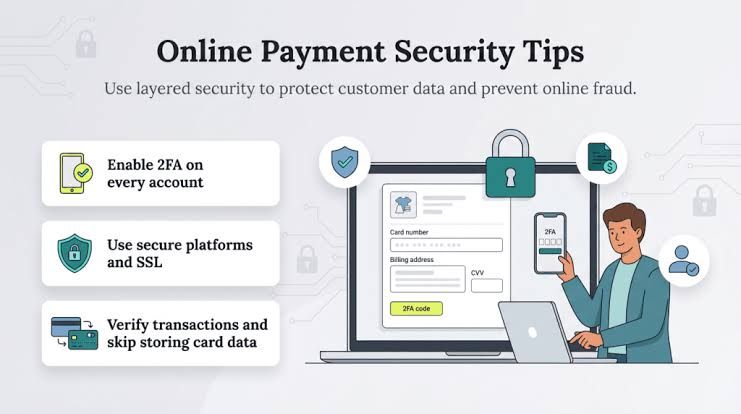
Create a trusted bookmark only after carefully checking the address. Phishing pages can look convincing on a small screen because the full URL is not always visible. Expand the address bar, inspect the spelling, and leave if the browser shows a security warning. Passwords should be unique, and two-factor authentication should be enabled when available.
The browser should never be allowed to save sensitive information on a borrowed or shared device. Log out after use, close private tabs, and remove downloads that contain personal documents. During a cashier transaction, confirm the amount and recipient inside the official flow. Never share a one-time code, wallet PIN, or full password with someone claiming to accelerate a deposit or withdrawal.
Manage Browser Privacy Without Breaking Access
Browsers store cookies, cached files, and site permissions to keep sessions working. Review permissions for notifications, camera, microphone, location, downloads, and pop-ups, allowing only what a clearly explained feature needs. Blocking third-party tracking can improve privacy, although very strict settings may interfere with an embedded payment or game provider. Change one setting at a time so the cause of a problem remains clear.
Private-browsing mode can reduce local history on a shared device, but it does not make the user anonymous to the platform, network, or payment provider. It also does not bypass legal rules or account verification. A personal, updated device remains the better choice for any session involving identity or money.
Navigate the Lobby With Intention
A mobile lobby can encourage quick switching between games, so it helps to decide what kind of entertainment is wanted before signing in. Use provider and category filters, read the rules, and check the minimum and maximum bet. A small screen is not a reason to skip the paytable, bonus conditions, or withdrawal terms.
Treat demo play as a way to learn controls, not as proof that a title will produce similar real-money results. Slots, table games, and number games all involve chance or a house advantage. Results from previous rounds do not guarantee the next outcome, and fast play can make spending feel less visible than it is.
Create a Responsible Mobile Routine
Phones are always nearby, which can make impulsive sessions easier. Set a deposit limit and a time limit before opening the lobby. Turn on reality checks if offered, keep notifications under control, and avoid playing in bed, at work, while driving, or during responsibilities that require attention. A timer outside the gaming page can provide an independent reminder.
Use only disposable entertainment money and never chase losses. If a session continues beyond the planned stopping point, use a cool-off feature and step away. Persistent urges, concealed spending, or borrowing to play are signs to self-exclude and contact a qualified gambling-support service in the player’s own region.
Useful Mobile Troubleshooting Steps
- Refresh once and check whether the internet connection is stable.
- Close unused tabs and apps to free memory.
- Update the browser and confirm automatic date and time.
- Check game history before repeating a wager after a freeze.
- Contact official support if a payment or completed round remains unclear.
Conclusion
Mobile-browser gaming can be convenient when the address is verified, the device is updated, and the connection is dependable. It also works best when the player treats quick access as a reason for stronger limits, not more frequent spending. Anyone comparing the available browser experience can review https://okplay.games/ from a secure device, read the current platform terms, and decide whether its access method and control tools fit an affordable entertainment plan.