
Understanding the Tactical T-Shirt Trend
Tactical shirts with typography and graphics have gained popularity among customers because of their unique design style and appearance, which involves large texts and graphics. Tactical shirts usually have a robust font style and limited colors. Besides, they have high-quality prints that complement the overall appearance of the shirt. It is possible to print such shirts using Direct-to-Film printing, but you have to follow a proper procedure.
Designing Tactical Artwork
The first step in creating tactical shirts is designing the art work. There are various characteristics of tactical designs that you can adopt when designing the art work. Most common features include texts and geometric designs. Apart from the above features, camouflages may be considered for inclusion in your artwork. Use high resolution images when preparing your artwork because they assist in producing sharp texts and graphics.
Printing the Design onto Film
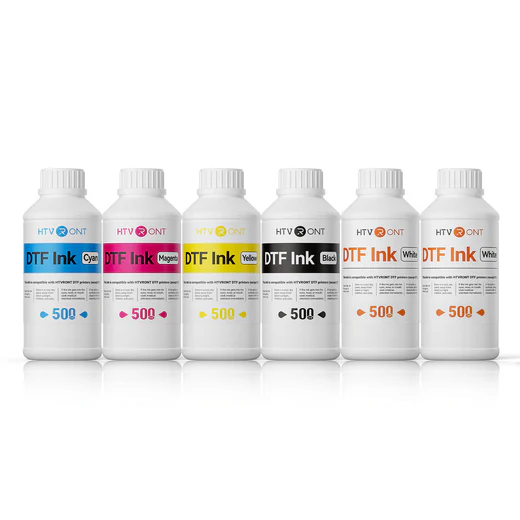
The second process entails the printing phase where the designs are transferred onto a film instead of the actual material used. The printer applies colored inks together with the white ink base that helps to ensure that the design pops on dark tactical clothing like olive, black, tan, or gray color shirts. This is necessary in order to maintain vibrancy throughout the whole design process.
Applying Adhesive Powder and Curing
The transfer is coated with adhesive powder after the printing phase. The powder clings to the areas covered with ink and forms a bond when cured by heat. Excess powder should be shaken off without causing any uneven distribution. Heating up the transfer melts the adhesive to create a flexible sheet that can easily be pressed onto the shirt.
Preparing the Shirt for Pressing
Prior to transferring the print, the shirt has to be prepared for the process. The shirt should be placed on the planet of the heat press before pre-pressing it to eliminate any wrinkles and moisture on the shirt. This is particularly essential in preparing tactical-style shirts that mostly require thick cotton fabrics.
Using a Phone Case Heat Press for Accessories
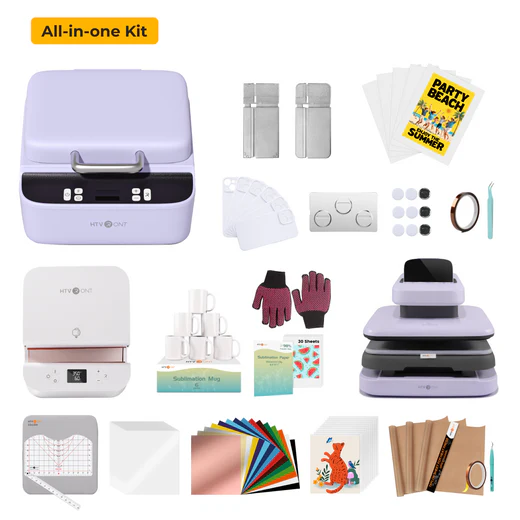
In this phase, the use of the Phone Case Heat Press will also come into play, especially if you want to make some smaller tactical accessories or even items that match each other. There are many designers who create coordinated designs in the form of graphics for the phone cases in addition to those created for the shirts. The Phone Case Heat Press allows for controlled heat application, which is needed for creating such accessories.
Heat Press Settings for Tactical Prints
Afterward, apply the film on the shirt at the desired location. As we have said earlier, sometimes there will be certain guidelines that need to be followed when applying tactical graphics on T-shirts. The application of pressure is advised between temperatures of 300-320 °F or 150-160 °C, lasting from 10 to 15 seconds.
Peeling the Film After Pressing
After completion of the process, wait for the film to cool down and then remove it from the T-shirt. There are instances where the film needs to be stripped off while it is cold, yet there are times that it can be done when warmed up as well.
Adding Accent Details with Glitter HTV
Accent pieces using Glitter HTV may be added for a more tactical appearance. Since tactical apparel tends to be matte in most cases, accents that incorporate the use of glitter can be applied subtly. An example would be reflective style accents or even a limited-edition patch. If extra layers are going to be applied, ensure to press each layer carefully, as the heat on the design should not be too much.
Final Press for Durability
After removing the transfer, it is advised to repress the design for 5-8 seconds by placing parchment paper or protective sheets on top of the design before pressing. This will increase its durability and soften the design. Tactical clothing is meant to be worn while being active, hence ensuring adhesion is achieved.
Flexibility and Durability of DTF Prints
The third benefit of the DTF printing method is flexibility. Since tactical prints involve sharp corners and block letters, the print should remain flexible despite such characteristics without becoming brittle, which makes it perfect for moving tactical gear. Additionally, since they do not crack, they withstand washing very well.
Experimenting with Tactical Placement
Placement experimentation may be conducted, as well. The sleeve design, chest badge, and back printing add to the overall tactical style. Multiple placement applications can be done to develop a professional look. A good illustration would be a small front logo design with a big back logo.
Maintaining Consistency in Production
Maintaining consistency when printing several shirts is essential. Temperature, pressure, and pressing time should be maintained throughout the process. Following the same workflow while printing on different apparel pieces can guarantee that quality will be sustained.
Conclusion
In summary, making tactical-themed t-shirts utilizing DTF printing technology is simple but potent. Design preparation, printing on the shirts using the dtf printer, transferring the design, and even printing accessories for the shirts utilizing the Phone Case Heat Press make the entire procedure straightforward. Adding some special effects to specific editions using Glitter HTV may also be considered.